Commercial Waste Shortlands in Shortlands

Commercial Waste Shortlands provides business waste removal in Shortlands for offices, shops, clinics, workshops and shared premises that need a reliable way to clear everyday refuse and bulkier items. The service is built around practical collection, sensible sorting and responsible handling of mixed commercial waste, so businesses can keep operations moving without having piles of unwanted material building up in back rooms, yards or loading areas.
We deal with recurring trade waste, one-off clearances and heavier items that need a careful approach. That can include office furniture, packaging, archive material, non-hazardous rubbish and other general business waste. Where items are suitable for recovery, our approach gives priority to reuse and recycling before disposal, helping customers choose a cleaner route for the material leaving their site.
For a clearer idea of the best way to arrange your collection, start with the type of waste you have and how much space it takes up. If you need a quotation, use the enquiry route that suits you and give a brief description of the waste, access and timing. Clear information helps the right collection be arranged more efficiently.
Business waste collections for everyday operations
Regular commercial waste removal is often most useful when a site produces steady volumes of mixed rubbish rather than a single dramatic clearance. That may include packaging, broken office fixtures, unwanted stock, display material, paperwork for secure disposal and general non-confidential refuse. A sensible collection plan reduces clutter in back areas and keeps waste from being stored where it interferes with staff movement or customer access.
When arranging a business collection, it helps to think about what is going and what must stay. Materials are usually easier to handle when they are separated into clear groups, especially if some items can be reused, some recycled and some disposed of as general waste. If you are comparing options, the service scope on the site can help you see how business waste removal fits alongside other clearance work, while general waste removal is useful for broader mixed loads that do not sit neatly in one category.
Small and medium-sized premises often need a flexible approach because waste streams can change week by week. A retail unit may need help after stock rotation, while an office may need a focused clear-out after furniture changes or archive reduction. In both cases, the aim is the same: remove the surplus safely, keep useful material out of disposal where possible and leave the premises easier to manage.
Office clearances and furniture handling
Office waste can include more than paper and packaging. Desks, task chairs, filing cabinets, pedestal units, shelving and reception furniture all take up room quickly when a workplace is reorganised or refurbished. A commercial collection for office items needs a practical sequence so that walkways remain usable and large pieces are carried out without unnecessary disruption to the site.
For businesses refreshing their layout, our service can cover complete office clearances or smaller item-by-item removals. Where a project includes mixed workplace waste, it can be helpful to separate redundant furniture from items that may be reused, because that affects how the load is prepared and how different materials are handled. If you need a more focused furniture route, see office clearance and furniture disposal for related pages that describe those service types in more detail.
What office customers usually need
Office work is rarely just about lifting items away. It often involves planning around desks in active use, storage rooms, meeting spaces and shared entrances. The most useful collections are the ones that remove only the agreed waste, protect items that remain in place and keep the route clear while the work is carried out. That is especially important in premises where staff, clients or tenants still need access during the clearance.
Furniture, fixtures and bulky item removal
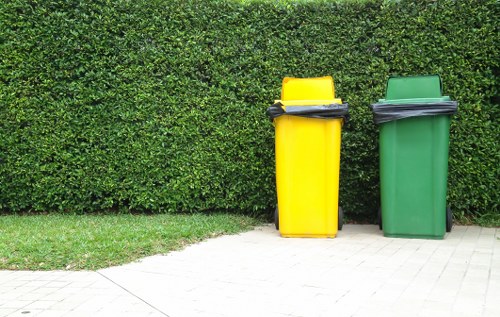
Bulky commercial items can be awkward to store and expensive to leave unattended, which is why many businesses look for a simple way to remove them once they are no longer needed. Furniture, shelving, counters, display units, cabinets and other fixtures may be suitable for recovery or disposal depending on condition and material. The decision is often less about size alone and more about safe handling, access and whether the item is still usable.
Our approach is to match the collection to the item. Heavier pieces need a clear lifting route, while lighter but awkward shapes may require more careful packing and stacking. Where relevant, it can be useful to compare specialist pages such as furniture clearance, mattress and sofa disposal and fridge and appliance removal, because each covers a different kind of bulky waste and the handling requirements are not always the same.
Not every large item needs the same treatment. Metal fixtures may be suitable for recycling, upholstered items may require a different disposal route and electricals need particular care. Choosing the right path avoids confusion on the day and helps ensure the collection is handled in line with the item type rather than forced into a one-size-fits-all approach.
Household-style clearances for commercial properties
Some commercial sites contain waste that is more domestic in character, especially where a property is mixed-use, let as furnished accommodation or used for staff housing. In those cases, the waste stream may include unwanted household items, contents from storage rooms or accumulated goods from a change of use. A commercial collection can still help, provided the waste is identified clearly and the access arrangements are practical.
Pages such as house clearance, home clearance and flat clearance can be useful if your waste is mainly contents rather than workplace equipment. They indicate the kind of mixed-item removal that may suit a property with domestic-style rubbish, while still leaving room for proper handling of furniture, bags, smaller loose items and recyclable material.
- Separate reusable goods from broken or contaminated items where possible.
- Keep access routes open so larger pieces can be removed without delay.
- Identify any appliances, soft furnishings or mixed materials in advance.
- Choose the page or service route that most closely matches the main waste type.
Garages, lofts and storage spaces used by businesses
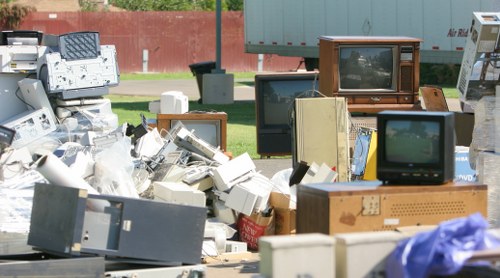
Many commercial premises have storage spaces that slowly collect surplus stock, unused equipment and general clutter. Garages, lofts, basements and cupboards behind the scenes are easy places for waste to accumulate because they are not in constant view. Once these spaces become difficult to use properly, clearing them can recover practical room for stock, files or tools.
If the unwanted material is mostly mixed storage waste, pages such as garage clearance and loft clearance can help describe the style of work involved. These services suit loads that may include boxes, broken household-style items, old paperwork, shelving and small fixtures, all of which need sensible sorting rather than a hasty grab-and-go approach.
The main decision for storage-space clearances is whether the contents are lightly cluttered or densely packed. A lightly used room may only need a partial clear-out, while a long-neglected area can contain items in many categories. In both cases, the benefit comes from getting the space back to a usable condition without forcing the customer to sort every article before the collection begins.
Garden and outdoor waste from commercial premises
Commercial premises often generate outdoor waste as well as internal rubbish. This can include soil bags, cuttings, timber offcuts, broken planters, fence panels, old garden furniture and general debris from grounds maintenance or property upkeep. Outdoor collections need to be planned with the same care as internal ones because access, weight and damp material can all affect how a load is handled.
If your site includes outside storage, courtyards or planted areas, a dedicated route for this material may be the simplest option. The page for garden clearance suits green waste and outdoor clutter, while builders waste clearance is more appropriate where the material comes from renovation, landscaping or improvement works and contains rubble, broken materials or site debris.
Businesses with grounds to maintain often benefit from having outdoor waste removed before it spreads into access paths or service areas. That keeps the area easier to manage and reduces the chance of mixed waste being left in piles that are difficult to sort later. For regular upkeep or one-off tidying, the main task is to identify what belongs in the outdoor load and what needs a different disposal route.
Building, refurbishment and renovation waste
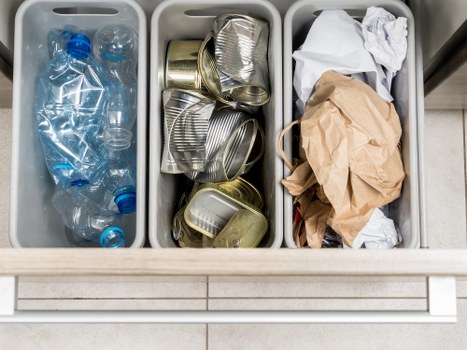
Refurbishment work can produce awkward waste quickly: broken fittings, packaging, timber, plasterboard offcuts, old fixtures, rubble and general site debris. These loads are rarely neat, and they often mix recyclable and non-recyclable materials. The practical answer is to remove the waste in a way that keeps the work area clear while separating what can be recovered from what must go for disposal.
For works linked to improvement or strip-out jobs, the most relevant page is builders waste clearance. If the load contains a large number of mixed materials and the site has limited time or space, that page gives a clear service reference for the kind of collection needed. It is also worth remembering that not all renovation waste is the same; some items are mainly inert, while others are bulky, sharp or delicate and need more careful handling.
Where a project includes both old fittings and general rubbish, the value of a good collection lies in keeping the sequence orderly. That means identifying the waste categories early, deciding which pieces are reusable and making sure the remaining materials are removed in a safe, tidy manner. Clear sorting at the start often makes the whole process smoother.
Special items, secure materials and difficult waste streams
Some commercial waste needs more attention than ordinary office rubbish or furniture. Items such as confidential paper, damaged appliances and certain controlled materials may require a particular route because their contents, composition or condition affect how they are processed. A careful service helps avoid mixing specialist waste into a general load where it could create problems later.
If your business needs secure paper disposal, the page for confidential shredding is the relevant reference point. For items that are no longer simple general waste because of weight, power components or specialist handling needs, hazardous waste disposal and fridge and appliance removal are the more suitable pages to consult. These services are not interchangeable, so the main job is to identify the waste accurately before booking anything.
One useful rule is to separate specialist material from routine rubbish as early as possible. That helps protect confidential information, avoids unsuitable mixing and makes the collection more straightforward to plan. If you are unsure whether an item belongs in a standard business load or a specialist stream, it is better to describe it plainly than to leave it unmentioned.
How to prepare a commercial waste quotation
When requesting a quotation, the most helpful details are the type of waste, approximate quantity, access conditions and any timing constraints. A short description is usually enough to begin with, provided it is specific. If the material includes mixed categories, mention the heavy items, fragile pieces, electricals or anything that needs separate handling. That gives a clearer basis for estimating the collection.
It also helps to know whether the waste is inside or outside, on an upper floor or at ground level, and whether there are lifts, stairways or restricted entry points. These practical matters affect how a collection is planned more than people sometimes expect. If the material is already grouped together, the job is usually easier to assess than if it is spread across several rooms or storage areas.
For customers comparing service choices, the pricing and quotation page may be useful alongside the main service pages. See pricing and quotes for the route most directly linked to estimates, then get in touch when you are ready to move forward. You can also use the online booking option if it suits your process better: please request a quotation or send the details of the waste you need removed.
About Shortlands
Shortlands is a suburban district in the London Borough of Bromley, located in south-east London and closely associated with the wider town of Bromley. The area developed significantly after the coming of the railways in the nineteenth century, when local access improved and residential building expanded beyond the older rural pattern of lanes, fields and scattered houses. Its built character today still reflects that layered growth: there are stretches of Victorian and Edwardian housing, later suburban streets and pockets of smaller commercial activity around the station and nearby roads. Shortlands station, on the Bromley North branch line, remains a defining transport feature and helps shape the everyday movement of the neighbourhood, linking it to surrounding parts of Bromley and to central London. The River Ravensbourne passes through the area, bringing a notable natural corridor into an otherwise urban landscape, while nearby green spaces such as Shortlands Recreation Ground and Bromley Town’s wider park network add open ground for walking and informal recreation. Local landmarks include Shortlands Golf Club, which has long been part of the district’s identity, and the Grade II listed St Mary’s Church, whose tower and historic fabric give the area a clear architectural reference point. The surrounding streets are generally suburban in scale, with a mix of detached and semi-detached homes, local schools, community facilities and everyday amenities that support a settled residential population. Although Shortlands is not a large centre in itself, its position near Bromley means it sits within a wider pattern of shopping, commuting and civic life, while still retaining a quieter, greener feel than the denser parts of inner London.