BR2 rubbish removal real cost breakdown
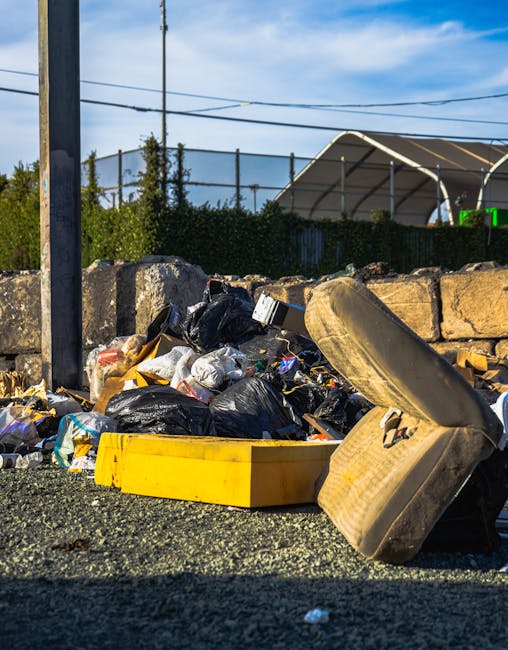
If you are trying to work out the BR2 rubbish removal real cost breakdown, you are probably staring at a pile of stuff and wondering why one quote sounds low while another suddenly jumps once the van turns up. That confusion is normal. In BR2, the real price usually depends on load size, access, waste type, labour, and disposal rules-not just "how much rubbish is there".
This guide breaks the cost down in plain English. You will see what affects pricing, where hidden charges creep in, how rubbish removal compares with other clearance options, and how to make a sensible decision without overpaying. Truth be told, most people do not need a perfect price before they start; they need a realistic one. That is what this article gives you.
Why BR2 rubbish removal real cost breakdown Matters
Costs matter because rubbish removal is rarely a single-line purchase. In BR2, where homes, flats, garages, lofts and small businesses can all generate different waste patterns, the final bill often reflects the practicalities of collecting and disposing of it safely. A "cheap" quote can become expensive if it excludes labour, adds a minimum load charge, or fails to account for awkward access.
Understanding the breakdown helps you compare services on a like-for-like basis. That means fewer surprises and a better chance of choosing the right option for your property type. It also helps if you are planning alongside related jobs such as a house clearance, a loft clearance, or a smaller garage clearance. Each one can change the cost profile in a very different way.
And let's face it, most people do not want to spend half a morning trying to decode "from" prices. They want to know, roughly, what they are paying for, what drives the number up, and where there is room to save. That is the real value here.
Expert summary: The true cost of rubbish removal in BR2 is usually a mix of volume, labour, waste type, access, and disposal handling. If a quote does not explain those elements clearly, it is not really transparent enough to rely on.
How BR2 rubbish removal real cost breakdown Works
Rubbish removal pricing is usually built around what a team needs to do on site and at the tip or transfer station. The process is simple in principle, but a few moving parts can change the price quickly.
First, the provider estimates the amount of waste. This may be based on load size, a van load, half load, quarter load, or by item count if the job is straightforward. Then they consider how long the job will take. A ground-floor room with bags outside is very different from a third-floor flat with a narrow stairwell and heavy items. That part matters more than many people expect.
Waste type comes next. General household clutter is usually more straightforward than builder's rubble, mattresses, appliances, mixed bulky items, or anything classed as hazardous. Disposal charges can also vary depending on what cannot be reused or recycled. If you are dealing with a mixed job, such as old furniture plus broken DIY debris, it is worth checking service pages like builders waste clearance or furniture disposal to understand how different waste streams are usually handled.
Finally, the company looks at access and logistics. Is parking straightforward? Is the waste already outside? Are there stairs, tight corners, lift restrictions, or a long carry distance from the property to the vehicle? Those details are often where the final price starts to move.
One helpful way to think about it is this: you are not just paying to "get rid of rubbish". You are paying for collection, lifting, transport, sorting, disposal, and the time it takes to do all that properly. That is why two jobs that look similar at first glance can land at very different prices.
Key Benefits and Practical Advantages
When rubbish removal is priced clearly, the main benefit is confidence. You know what you are agreeing to before the team arrives. That sounds basic, but it saves a lot of awkward conversations at the kerbside.
There is also a practical speed advantage. A professional collection can be much faster than trying to borrow a van, load it yourself, and make several trips. If you have a deadline-end of tenancy, renovation start date, office move, or a family property that needs clearing-time matters. A clear rubbish removal quote helps you decide whether it is worth paying for convenience.
Some of the most common practical advantages include:
- No need to hire a vehicle or organise your own disposal run.
- Less physical lifting, which is a big one if the load is heavy or awkward.
- Better sorting of materials, with more chance of recycling where suitable.
- Fewer delays if you need the space cleared quickly.
- More predictable budgeting for a project or property move.
That last point is often underestimated. In real projects, rubbish removal is rarely the biggest expense, but it can cause the most last-minute panic if nobody has budgeted for it properly. A tidy cost breakdown helps keep the rest of the job calm. Well, calmer, at least.
Who This Is For and When It Makes Sense
This kind of service makes sense for anyone who has more waste than a normal household bin collection can handle. In BR2, that often includes homeowners clearing out old furniture, landlords between tenancies, tenants leaving a flat, tradespeople finishing a small renovation, and local businesses with bulky or awkward waste.
It is especially useful when the load is time-sensitive or physically awkward. For example, if your loft is full of boxes, old suitcases and dismantled shelving, it may be cheaper overall to have it cleared in one visit than to spend a weekend doing multiple car journeys. Similarly, if you are replacing a sofa or mattress, combining items into one collection can be more efficient than booking separate disposal routes. Relevant pages like mattress and sofa disposal and furniture clearance can be useful if your load is mainly bulky household items.
Commercial customers may also benefit from rubbish removal when office clutter, confidential material, redundant equipment, or general waste starts taking up valuable space. In those cases, services such as office clearance or business waste removal may be a better fit than a one-off general collection.
When does it not make sense? If you only have a few lightweight bags and easy access to a local disposal route, a larger collection service may be overkill. It is not always the cheapest option for tiny jobs. Sometimes the smartest move is the smaller, simpler one.
Step-by-Step Guidance
If you want to estimate your BR2 rubbish removal cost properly, use a simple process. It only takes a few minutes, and it gives you a much better sense of value.
- List everything that needs to go. Split it into bags, boxes, furniture, appliances, rubble, garden waste, or mixed items. The more specific you are, the more useful the quote will be.
- Check access honestly. Note stairs, parking distance, narrow hallways, restricted lifts, or anything that will slow loading.
- Separate special items. Fridges, freezers, paint, chemicals, and other specialist items often need different handling. If those are involved, look at fridge and appliance removal or hazardous waste disposal.
- Ask what is included. Confirm loading, labour, transport, disposal fees, and whether VAT or minimum charges apply.
- Compare similar quotes. Two quotes only make sense if they are based on the same scope. Otherwise you are comparing apples and oranges.
- Book the right service level. If the job is mainly a single bulky item, a targeted service may be better. If it is a full property clear-out, a broader option such as home clearance may be more practical.
A small but important point: take photos if you can. Not glamorous, I know. But a few clear images of the load and access route can prevent most quote surprises.
Expert Tips for Better Results
To keep costs sensible, the best approach is usually preparation. The more organised the job, the more likely you are to get a fair, accurate price.
- Group waste by type. Mixed loads are fine, but separating cleaner material from dirty or specialist waste can help keep things simple.
- Move waste to one easy pickup point if you can. A front drive or ground-floor entrance often reduces loading time.
- Be realistic about volume. People often underestimate how much space old furniture takes. One wardrobe can eat the space of a surprising number of bags.
- Ask about recycling and sorting. A responsible service should explain how suitable items are diverted for reuse or recycling. You can also look at the company's recycling and sustainability approach.
- Use the right service for the job. Garden waste, loft contents, office clutter, and house contents all behave differently in pricing terms. Matching the service to the waste makes everything smoother.
One little field note: jobs that start with "it's only a few bits" sometimes turn into a truck-load. It happens all the time. So, if you are unsure, slightly overestimate rather than underquote yourself. Better to be pleasantly surprised than stranded halfway through.
Common Mistakes to Avoid
Most cost problems come from a handful of avoidable mistakes. They are easy to make, especially if you are trying to sort things quickly.
- Not describing the waste properly. "Household rubbish" is too vague if the load includes rubble, appliances, or heavy furniture.
- Ignoring access issues. A ground-floor collection and a top-floor flat are not priced the same for a reason.
- Assuming every quote includes disposal fees. Some do, some do not. Ask clearly.
- Forgetting special items. Mattresses, fridges, and hazardous waste often change the cost structure.
- Choosing on price alone. The cheapest quote can be expensive if it creates delays, extra charges, or poor handling of the waste.
Another common issue is booking the wrong kind of clearance altogether. If your job is specifically a flat, loft, or garage clear-out, a tailored service may be better than a broad "remove everything" arrangement. Those subtle differences matter more than most people expect.
Tools, Resources and Recommendations
You do not need fancy tools to estimate rubbish removal costs properly. A phone camera, a notebook, and a few measurements are enough for most situations. Still, there are a few practical resources on the site that can help you make a better decision.
- pricing and quotes for understanding how estimates are usually put together.
- what can go in a skip if you are comparing removal against skip-style disposal planning.
- payment and security if you want reassurance around safe transactions.
- insurance and safety for peace of mind on access, lifting, and on-site handling.
- about us if you want to understand the business behind the service.
If you are a landlord, office manager, or homeowner with a bigger clean-out ahead, it can also help to think in phases: first identify what stays, then what goes, then what needs specialist handling. That simple order saves time and, often, money too.
Law, Compliance, Standards, or Best Practice
Rubbish removal is not just a matter of lifting and loading. In the UK, waste must be managed responsibly, and that means paying attention to how it is collected, transported, sorted and disposed of. For the average customer, the practical takeaway is simple: use a service that handles waste properly and can explain what happens to it.
Best practice usually includes clear identification of waste types, safe manual handling, suitable transport, and proper disposal routes for items that cannot be reused or recycled. Some items require specialist treatment, especially anything hazardous or potentially harmful. That is why it is wise to flag unusual waste early rather than leaving it until collection day.
If you are clearing business premises, records, confidential material, or equipment with data concerns, services like confidential shredding may be relevant alongside general waste removal. For offices and workplaces, proper handling is not just tidy-it is part of operating responsibly.
On the customer side, there are also everyday best-practice habits worth following:
- Tell the provider exactly what the waste includes.
- Keep hazardous items separate.
- Check how access works before collection day.
- Make sure the quote covers the full job scope.
- Keep any sensitive paperwork or personal items out of the pile.
That may sound obvious, but you would be surprised how often one forgotten bag or one hidden appliance changes the whole job.
Options, Methods, or Comparison Table
If you are deciding between rubbish removal and other clearance methods, a simple comparison helps. Different options suit different jobs, and the cheapest one on paper is not always the cheapest in practice.
| Option | Best for | Cost feel | Main trade-off |
|---|---|---|---|
| One-off rubbish removal | Mixed household waste, bulky items, urgent clearances | Usually medium, sometimes higher if access is difficult | Convenient, but price depends heavily on load and labour |
| Tailored furniture disposal | Sofas, wardrobes, chairs, beds, single bulky items | Often simpler to price | Not ideal if the job includes lots of mixed waste |
| Full property clearance | Homes, flats, inherited property, major declutters | Higher overall, but efficient for larger jobs | More planning needed, especially for access and sorting |
| Garden-focused clearance | Soil, branches, green waste, garden debris | Can be reasonable if waste is clean and sorted | Mixed garden and general waste can raise the price |
| DIY disposal trips | Very small amounts, easy access, flexible schedules | Low cash cost, higher time and effort cost | Multiple trips, lifting, parking, and disposal uncertainty |
For many BR2 households, the real choice is not "skip or rubbish removal" in the abstract. It is which option fits the size, mess, and urgency of the job without making the week a headache.
Case Study or Real-World Example
Here is a realistic example. A BR2 homeowner is clearing a spare room after years of storage. The load includes several black bags, a small chest of drawers, an old desk, broken shelving, and a few mixed bits of packaging. The room is on the first floor, with easy parking outside but a narrow hallway on the way out.
At first glance, it looks like a modest job. Then the details start to matter. The bags are easy. The desk and drawers need two people. The hallway means careful handling. The mixed waste means the provider has to sort what can be handled alongside general waste and what needs separate disposal. If there is also a mattress tucked behind the door, the price can shift again. A service that originally looked "small" is no longer quite so small.
This is exactly why the real cost breakdown matters. The customer is not being charged randomly; they are being charged for time, labour, access, and disposal realities. Once you see that, the quote makes more sense. Usually, anyway.
In a different scenario, a local office might need old chairs, a damaged printer, archive boxes and redundant paperwork removed. In that case, the load looks neat, but the information inside the boxes may require confidential handling, and bulky office items are awkward in a lift. That is where a service aligned with office clearance and confidential shredding becomes more appropriate than a basic rubbish run.
Practical Checklist
Use this quick checklist before booking:
- Have you listed every item or waste type that needs removing?
- Have you checked for stairs, tight access, or long carry distances?
- Do you know whether the load includes furniture, appliances, rubble, or hazardous items?
- Have you asked what is included in the price?
- Do you know whether the job can be done in one visit?
- Have you compared the quote with other relevant services such as waste removal or home clearance where appropriate?
- Have you taken photos to make the scope clear?
- Have you separated items that need specialist handling?
- Do you understand the payment method and any terms that apply?
- Are you confident the provider can dispose of the waste responsibly?
If you can tick most of those off, you are in good shape. If not, spend another five minutes on the prep. It often pays for itself.
Get a free quote today and see how much you can save.
Conclusion
The real cost of rubbish removal in BR2 is rarely just about the amount of waste. It is about how easy the job is, what needs collecting, how safely it can be handled, and how much disposal work sits behind the scenes. Once you understand those moving parts, quotes stop feeling random and start feeling understandable.
If you are planning a clear-out, the best approach is to be specific, honest, and a little bit organised. That combination usually gets the fairest price and the smoothest experience. And if the pile in the corner has been bothering you for weeks, well, there is something deeply satisfying about seeing the floor again. Small win, but a real one.
Frequently Asked Questions
What affects the BR2 rubbish removal cost the most?
The biggest factors are waste volume, labour time, access, and waste type. Heavy, awkward, or specialist items usually cost more than simple bagged rubbish.
Is rubbish removal cheaper than hiring a skip?
It depends on the job. For easy, organised waste with good space for a skip, a skip may work well. For mixed waste, bulky items, or awkward access, rubbish removal can be better value because you are paying for loading and collection too.
Why do some quotes seem low at first and then rise later?
Often the initial quote leaves out disposal, labour, access issues, or special items. A proper quote should explain what is included before collection day.
Do I pay more for stairs or difficult access?
Usually, yes. If the team needs to carry waste a long way, navigate stairs, or work through tight hallways, that extra labour can affect the price.
Can I save money by sorting the waste myself?
Often, yes. If you separate clean, reusable, recyclable, or specialist items in advance, the job may be quicker and easier to price.
What happens if I have a fridge, mattress, or sofa?
Those items may need specialist handling. Relevant service pages include fridge and appliance removal and mattress and sofa disposal.
Is hazardous waste included in normal rubbish removal?
Not always. Hazardous items should be flagged separately, because they often need special handling and may change the quote.
How can I get a more accurate estimate?
Send clear photos, describe the items honestly, and mention access details like stairs, parking, and whether the waste is already outside.
What if I only have a small amount of rubbish?
For a very small load, a larger removal service may not be the most cost-effective choice. It can still be useful if the items are awkward or you want them gone quickly.
Do businesses in BR2 need different rubbish removal arrangements?
Often they do, especially if the load includes office furniture, mixed commercial waste, or confidential material. In those cases, business waste removal or office clearance may be more suitable.
How do I know if a provider is trustworthy?
Look for clear pricing, sensible explanations, proper safety information, and a straightforward approach to waste handling. Pages such as insurance and safety and terms and conditions can help you understand how a company operates.
What is the best next step if I am ready to book?
Gather a few photos, write down what needs removing, and compare the service against your needs. If the job is larger or mixed, a broader service like house clearance or flat clearance may be the better fit.