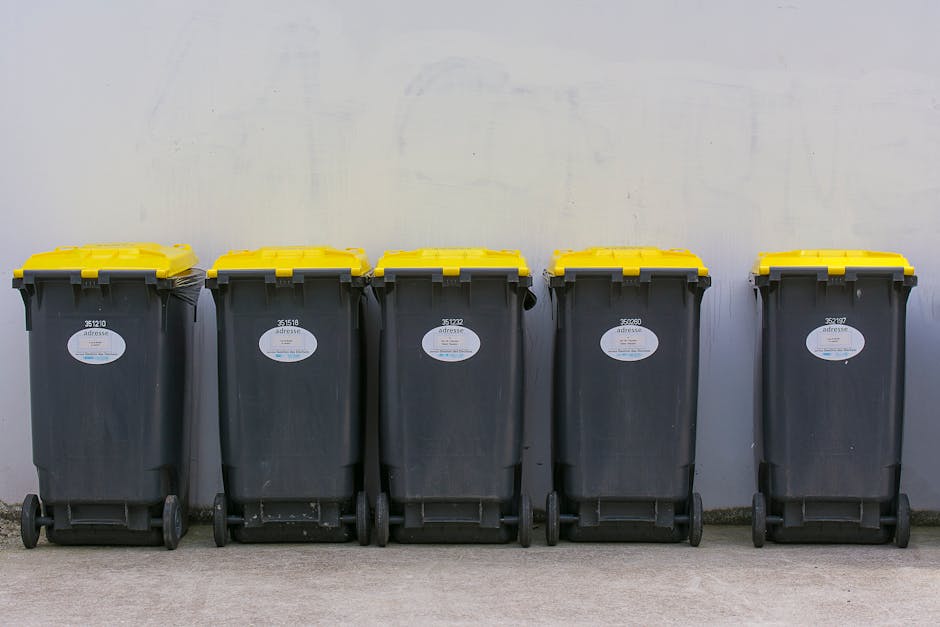
What to know about Bromley Council rules for rubbish disposal

If you live, rent, manage a property, or run a business in Bromley, rubbish disposal can feel straightforward right up until it isn't. One bag becomes two. A sofa appears at the end of the hallway. Someone says, "Can we leave it by the bin?" and suddenly you are trying to work out what the council will take, what needs booking, and what could land you in trouble. This guide on What to know about Bromley Council rules for rubbish disposal breaks it all down in plain English, so you can stay compliant, save time, and avoid the usual headaches.
We'll look at how council collection rules generally work, what residents often get wrong, when a skip may be the wrong answer, and what to do with bulky, hazardous, or awkward items. You'll also get a practical checklist, a comparison table, and a few grounded examples from the kind of real-life situations people deal with every week.
Why Bromley Council rubbish disposal rules matter
Local rubbish rules are not just admin. They shape what happens outside your home or premises every collection day, and whether your waste is collected without issue. Councils need waste to be placed out in the right way, at the right time, and in the right containers or arrangements. If you get that wrong, the result is usually simple: the waste is left behind.
That matters because a missed collection has a ripple effect. Bags build up, smells start, pests become more likely, and neighbours get annoyed. In a flat block, one careless pile can affect the whole building. In a business setting, the mess can look unprofessional pretty fast. No one wants that, especially on a damp Wednesday morning when the pavement is already busy.
There is also a compliance angle. Improper disposal can create issues around fly-tipping, blocked access, contamination of recycling, and the wrong handling of bulky or hazardous items. In other words, getting familiar with Bromley Council's approach is less about ticking a box and more about avoiding avoidable mess.
Expert summary: The safest approach is to treat council rubbish rules as a system, not a loose suggestion. Check what is accepted, how it must be presented, and whether your item needs special handling before you move it out the door.
How Bromley Council rubbish disposal rules work in practice
While exact arrangements can vary by property type and collection service, the basic idea is usually consistent. Household waste, recycling, garden waste, bulky waste, and special items each follow different paths. Some are collected on scheduled rounds, some require booking, and some need private disposal or a specialist service.
For most residents, the first question is simple: what kind of waste is it? That answer drives almost everything else. A crisp packet in the recycling bin is one thing. A broken fridge is another. Old paint tins, rubble from DIY, mattresses, mattresses wrapped in bin bags, dismantled wardrobes, all of these can fall into different categories. A bit annoying, yes. But it is what it is.
In practical terms, you should think through the following:
- whether the item is general waste, recycling, bulky waste, garden waste, or hazardous waste;
- whether it must be bagged, boxed, tied, or placed in a specific container;
- whether collection is based on a scheduled day or needs booking in advance;
- whether the item is too large, too heavy, or too risky for a normal collection;
- whether reuse, donation, or repair is possible before disposal.
For bigger clearances, many households and landlords also look at broader waste options such as waste removal or specific services like house clearance when the amount of material goes beyond ordinary bin day handling.
If your waste includes large furniture, the right route may be the more item-specific options such as furniture disposal or mattress and sofa disposal. If it is a business premises, the expectations are different again, and business waste removal is often the cleaner fit.
Key benefits and practical advantages
Following local disposal rules might sound like a small thing, but the upside is bigger than people expect. Done properly, it makes day-to-day life easier and keeps your property under control.
- Fewer missed collections: Waste is less likely to be rejected if it is sorted and presented correctly.
- Cleaner outdoor spaces: No more bags waiting around because nobody was sure where they belonged.
- Lower risk of complaints: This matters especially in shared housing, managed blocks, and business premises.
- Better recycling habits: Correct sorting helps keep recyclable items out of general waste.
- Less stress on removal day: You know what goes where, so there's less last-minute scrambling.
There is also a quiet financial benefit. When people separate reusable, recyclable, and non-recyclable waste properly, they often avoid paying for the wrong kind of collection or a second visit. To be fair, that can be the difference between a tidy plan and a small logistical headache that seems to grow legs.
For one-off clearances, it may also make sense to compare council collection routes with alternatives such as flat clearance, home clearance, or garage clearance depending on what needs to go and how quickly.
Who this is for and when it makes sense
This guidance is useful for a wide mix of people, and not just homeowners with one or two bin bags. In real life, rubbish disposal questions show up everywhere.
- Homeowners clearing out old furniture, broken appliances, or garden waste.
- Renters who need to leave a property clean at the end of a tenancy.
- Landlords and letting agents managing abandoned belongings or post-tenant clear-outs.
- Flat owners and residents in shared blocks where bin storage space is limited.
- Businesses that need regular, reliable waste handling.
- Builders and trades dealing with renovation debris, packaging, and rubble.
It is especially useful when you are dealing with awkward items such as fridges, freezers, mattresses, or a few bags of mixed rubbish after a move. Those jobs often look small from a distance, then become surprisingly awkward once you start carrying items down stairs or through a narrow hallway. If you have ever tried to wedge a bulky chair through a tight front door, you know exactly what that feels like.
For lofts, offices, builders' waste, or accumulated household clutter, the most suitable route may be one of the more targeted services, such as loft clearance, office clearance, or builders waste clearance.
Step-by-step guidance
If you want to keep disposal simple, use a methodical approach. This is the part that saves people the most time.
- Identify the waste type. Separate general waste, recycling, bulky waste, garden waste, electrical items, and hazardous items.
- Check condition and size. Ask whether the item can be reused, donated, repaired, or needs disposal.
- Group similar items together. Keep cardboard together, mixed rubbish together, and furniture separated if possible.
- Choose the right route. Use your council collection method where appropriate, or arrange a specialist service for awkward loads.
- Prepare the waste properly. Bag, box, flatten, tie, or wrap items as needed so they can be handled safely.
- Move it out at the correct time. Put waste out only when instructed, rather than leaving it outside early.
- Keep evidence if needed. For business or landlord situations, note what was removed and when.
A small but useful habit is to create a "sort first, dispose second" routine. It sounds obvious, but on a busy weekend it stops the pile from becoming one giant mixed heap. You'll thank yourself later, probably while drinking tea and admiring an empty corner where junk used to live.
If you need a broader route for mixed household items, waste removal can be a practical alternative to piecing together several separate disposal methods.
Expert tips for better results
Here are the small things that make the biggest difference. They are not glamorous, but they work.
- Keep recyclables clean and dry. A greasy box can contaminate a load more easily than people think.
- Break down cardboard. It saves space and makes collection simpler.
- Separate electricals early. Don't leave a broken appliance mixed in with loose household rubbish.
- Plan for stairs, lifts, and narrow entrances. If you live in a flat, access can be the real bottleneck.
- Don't overfill bags. Overstuffed bags split at the worst moment, usually just as you reach the kerb.
- Watch for hidden hazardous content. Old cleaning chemicals, paint, batteries, and certain DIY materials need extra care.
If you are removing furniture or large soft items, it is often worth checking specialist disposal routes before you start dragging them across the floor. For example, furniture clearance and fridge and appliance removal may be more suitable than trying to force everything into a standard collection cycle.
One more thing: if a load feels too mixed or too bulky to manage safely, that is usually your signal to slow down and choose a better option. Rushing rubbish disposal is how things get messy, and then more messy.
Common mistakes to avoid
Most disposal problems come from a short list of repeat mistakes. None of them are unusual, which is exactly why they keep happening.
- Putting the wrong items in the wrong bin. This is the classic one, especially with mixed recycling.
- Leaving waste out too early. It can block pavements, attract attention, or simply be refused.
- Mixing hazardous items with general waste. That is a safety issue, not just a paperwork issue.
- Forgetting about shared access. In flats, one person's pile can become everyone's inconvenience.
- Assuming bulky waste is automatically accepted. Large items often need a separate booking or a different route.
- Using the wrong clearance method for the job. A single chair is not the same as a full garage or loft load.
It's also worth being careful with mixed household clearances after a move or renovation. A few broken shelves, a mattress, a couple of black bags, and some leftover packaging can quickly become a collection puzzle. If you know the room is going to be stripped out, a service like house clearance or flat clearance may actually be the simpler route.
Tools, resources and recommendations
You do not need a pile of specialist kit to manage rubbish properly, but a few basic tools make life easier.
- Sturdy bin bags: Better for general waste and anything light enough to carry safely.
- Marker pens and labels: Handy when sorting bags for recycling or a clearance team.
- Boxes or crates: Useful for books, papers, soft furnishings, and small household items.
- Gloves and sensible footwear: Basic, yes, but helpful when lifting awkward or sharp items.
- Measuring tape: Very useful if you need to move bulky furniture through tight spaces.
For items with special handling needs, use the right specialist route rather than trying to improvise. For example, hazardous waste disposal is the sensible choice when the waste could pose a safety or environmental risk. Likewise, if you need discretion with sensitive paperwork, confidential shredding is a much safer option than tossing documents into a general bag.
For people comparing disposal options, the page on what can go in a skip is also a useful reference point because skip loads and council waste rules do not always line up neatly. That catches a lot of people out, honestly.
And if you want to understand how a provider approaches safety, handling, or disposal standards before booking, it helps to review pages such as health and safety policy, insurance and safety, and recycling and sustainability.
Law, compliance, standards and best practice
For rubbish disposal in the UK, the big idea is simple: waste needs to be handled responsibly, safely, and by the right route. The practical details can vary depending on the type of waste, who owns it, and where it is being produced.
As a general rule, householders should follow council guidance on collection times, container use, contamination, and bulky waste arrangements. Businesses usually have additional responsibilities around keeping waste transfer records, separating suitable materials, and using authorised carriers. If you are dealing with builders' waste, it is especially important not to mix materials that should be handled separately.
Best practice means more than "just get it out of the way." It means:
- sorting waste before disposal;
- keeping hazardous materials separate;
- using a lawful route for bulky or commercial waste;
- avoiding fly-tipping or leaving items where they obstruct public spaces;
- checking whether materials can be reused or recycled first.
If you are managing waste on behalf of a landlord, tenant, company, or building, it is worth keeping a simple paper trail. Nothing fancy. Just enough to show what was removed, when, and by whom. That can save a lot of awkward back-and-forth later on.
Good practice is usually the quiet kind: it is tidy, consistent, and a bit boring. Which, in rubbish management, is exactly what you want.
Options and comparison table
People often compare council disposal with private clearance, but the right answer depends on the volume, item type, urgency, and access. Here is a practical comparison.
| Option | Best for | Strengths | Limitations |
|---|---|---|---|
| Council kerbside or scheduled collection | Routine household waste and recycling | Convenient for regular use, usually familiar and low effort | Strict rules on sorting, timing, and item size |
| Bulky item arrangement | Sofas, mattresses, furniture, large household items | Suitable for one-off larger objects | May need booking and items may be restricted |
| Skip-style disposal | Mixed renovation or clearance waste | Good for bigger jobs and ongoing use on site | Not ideal for restricted items; requires space and planning |
| Private waste removal or clearance | Mixed loads, awkward access, time-sensitive clearances | Flexible, quick, less hassle for larger jobs | Usually not the cheapest for very small amounts |
For a lot of households, the decision is not "council or private" in the abstract. It is "what makes this specific mess go away with the least stress?" If you have one bin bag, council collection may be perfect. If you have a shed's worth of old junk, a garden pile, and a broken appliance, a more tailored route often makes far more sense.
Depending on the type of load, the relevant pages may include garden clearance, garage clearance, or builders waste clearance.
Case study or real-world example
Here is a very ordinary example, which is why it helps.
A family in Bromley is moving out of a two-bedroom flat. They have a sagging sofa, a broken bedside table, a few boxes of mixed household bits, and an old fridge that no one wants to lift, let alone keep. At first, they try to split the job into "what the council will take" and "what we'll sort later." By Friday evening the hall is full, the lift in the block is getting blocked, and the last thing anyone wants is another trip up and down the stairs.
The better approach is to sort the waste by type at the start. Soft furniture goes together, electricals are separated, and small household items are boxed. That immediately makes the job clearer. In a case like this, the family may still use council collections for some materials, but a targeted clearance or a specialised disposal route could be the simpler answer for the larger or awkward items.
That is the real lesson. Most disposal jobs get easier the moment you stop treating everything as one pile. Split it, label it, and the whole thing gets calmer. Funny how that works.
Practical checklist
Use this checklist before putting anything out for disposal.
- Have I identified the waste type correctly?
- Is any item recyclable, reusable, or suitable for donation?
- Are there hazardous materials, batteries, liquids, or electrical parts mixed in?
- Have I checked whether the item needs booking or special handling?
- Is the waste bagged, boxed, tied, or broken down properly?
- Will the load block access, pavements, or shared entrances?
- Do I need a specialist option for furniture, appliances, or builders' waste?
- Have I kept anything confidential or sensitive out of the general waste stream?
- Is the disposal route appropriate for a home, flat, or business setting?
- Do I know what happens if the council collection cannot take it?
If you can tick most of those boxes, you are already ahead of the game. If not, that is fine too. It just means you need a slightly better plan, not a crisis.
Get a free quote today and see how much you can save.
Conclusion
Understanding What to know about Bromley Council rules for rubbish disposal comes down to a few practical habits: sort your waste properly, know which items need special handling, and choose the disposal route that fits the job rather than forcing everything into one system. That is the difference between a smooth collection and a pile of regret outside the front door.
Whether you are dealing with a weekly bin problem, a one-off bulky item, or a full property clearance, the most reliable approach is always the same: plan first, dispose second. Keep it simple, keep it tidy, and do not leave awkward items to become tomorrow's problem. You really do not need that extra noise in your week.
And if the job is bigger than expected, that is completely normal. A good rubbish plan should make life feel lighter, not more complicated. Sometimes the most reassuring thing is simply knowing the mess has a path out.
Frequently Asked Questions
What are the basic Bromley Council rubbish disposal rules I should know?
The key basics are to sort waste correctly, put it out at the right time, and use the correct container or collection method. Bulky, hazardous, and mixed waste usually needs extra attention.
Can I put large items out with my normal rubbish collection?
Usually not. Large items such as sofas, mattresses, appliances, and furniture often need a separate bulky waste arrangement or a specialist clearance service.
What happens if I put the wrong items in the recycling bin?
The load may be rejected or left uncollected, and contamination can affect the wider recycling process. It is better to separate doubtful items and check first.
Do I need a special service for broken appliances?
Yes, in many cases. Fridges, freezers, and other electrical items are often better handled through a dedicated appliance removal route rather than standard rubbish collection.
What should I do with hazardous waste like paint or chemicals?
Keep it separate from general waste and use an appropriate hazardous waste disposal route. Never mix chemicals, liquids, or batteries into ordinary bags.
Is private waste removal better than council disposal?
It depends on the job. Council disposal can be ideal for routine household waste, while private removal often works better for mixed, bulky, or time-sensitive clearances.
What is the best option for clearing a flat after a move?
A flat clearance service is often the simplest option when you have furniture, mixed household items, and limited access such as stairs or lifts.
Can I dispose of garden waste with general rubbish?
Sometimes small amounts may be accepted in general household waste, but larger volumes are usually easier to manage through a garden clearance or a specific garden waste route.
How do I avoid missed collections?
Follow the presentation rules carefully, do not leave waste out too early, and make sure the correct items are in the correct place. Simple, but effective.
What if I am clearing waste from a business rather than a home?
Business premises usually need a more formal waste arrangement, especially if waste is produced regularly or includes confidential, bulky, or hazardous materials.
Can I use a skip for everything?
No. Some waste types are restricted, and skip loads must be planned carefully. It is worth checking what can go in a skip before booking one, especially for mixed or unusual materials.
What is the safest first step if I am unsure about an item?
Separate it from the rest of the waste and identify what it actually is. If it is bulky, electrical, hazardous, or confidential, treat it as a special item until you know otherwise.
Who should I contact if I want help with a larger clearance?
If the job is bigger than standard bin disposal, it may be worth arranging a specialist clearance and checking the available service details, pricing information, and safety commitments before you book.