Comprehensive Business Waste Removal Services in Shortlands
Understanding the Importance of Business Waste Removal
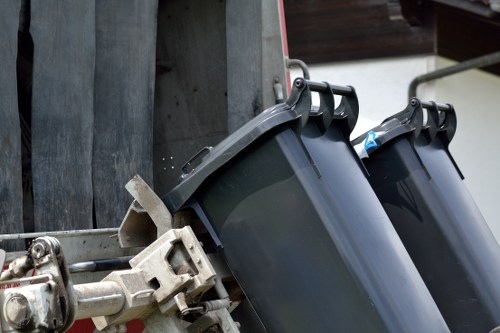
In today's environmentally conscious world, business waste removal in Shortlands has become a critical service for companies striving to maintain sustainability and comply with local regulations. Proper waste management not only helps in reducing the environmental footprint but also enhances the reputation of businesses among consumers and stakeholders.
Businesses generate various types of waste, including office waste, industrial byproducts, and hazardous materials. Efficient removal and disposal of these wastes are essential to prevent environmental contamination and ensure the safety of employees and the surrounding community.
Moreover, effective waste management can lead to significant cost savings by minimizing waste disposal fees and potentially generating revenue through recycling and reclamation of materials.
Types of Business Waste

Understanding the different types of waste generated by businesses is the first step in establishing an effective waste removal strategy. Common categories include:
- General Office Waste: Paper, plastics, and non-hazardous materials.
- Industrial Waste: Byproducts from manufacturing processes, including metals, chemicals, and waste sludge.
- Hazardous Waste: Substances that pose significant risks to health or the environment, such as asbestos, chemicals, and electronic waste.
- Organic Waste: Food scraps and other biodegradable materials generated by businesses in the hospitality sector.
Each category requires specific handling, storage, and disposal methods to ensure compliance with environmental standards and regulations.
The Process of Business Waste Removal
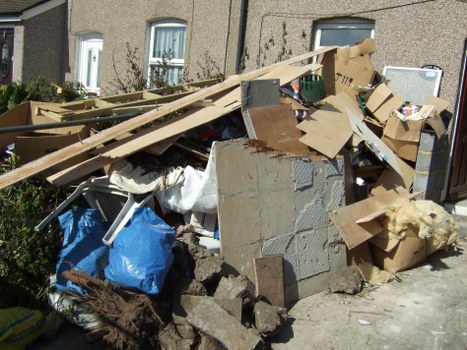
Assessment and Planning
The first step in business waste removal is conducting a thorough assessment of the types and volumes of waste generated. This assessment helps in designing a customized waste management plan that aligns with the business's operational needs and sustainability goals.
Collection and Segregation
Proper collection and segregation of waste are crucial for efficient recycling and disposal. Businesses should implement waste sorting practices to separate recyclable materials from non-recyclables and hazardous waste.
Transportation
Once segregated, waste is transported using specialized vehicles to designated treatment or disposal facilities. Ensuring that transportation methods comply with local regulations minimizes the risk of environmental contamination.
Disposal and Recycling
Disposal methods vary based on the type of waste. General waste may be sent to landfills, while recyclable materials are processed and repurposed. Hazardous waste requires secure disposal in compliance with stringent environmental standards.
Benefits of Professional Waste Removal Services
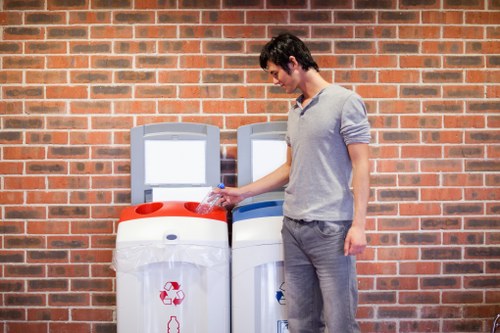
Engaging professional waste removal services offers numerous advantages:
- Compliance: Ensures adherence to local and national waste management regulations.
- Efficiency: Streamlines waste removal processes, saving time and resources.
- Environmental Protection: Promotes sustainable practices and reduces the ecological impact.
- Cost-Effectiveness: Reduces waste disposal costs through optimized management strategies.
- Health and Safety: Minimizes health hazards associated with improper waste handling.
These benefits collectively contribute to the operational excellence and environmental stewardship of businesses.
Choosing the Right Waste Removal Partner in Shortlands

Selecting a reliable waste removal service is pivotal for effective waste management. Consider the following factors when choosing a provider:
- Experience and Expertise: Look for companies with a proven track record in handling various types of business waste.
- Compliance and Certification: Ensure the service complies with all relevant regulations and possesses necessary certifications.
- Comprehensive Services: Opt for providers offering a wide range of services, including recycling, hazardous waste handling, and scheduled pickups.
- Customer Support: Choose a company that provides excellent customer service and is responsive to your business's needs.
- Cost Transparency: A reputable service should offer clear and competitive pricing without hidden fees.
By carefully evaluating these aspects, businesses can partner with waste removal services that align with their operational and environmental objectives.
Implementing an Effective Waste Management Strategy

Developing a robust waste management strategy involves several key steps:
- Waste Audit: Conduct regular audits to identify waste generation patterns and opportunities for reduction.
- Employee Training: Educate staff on proper waste segregation and handling procedures.
- Recycling Programs: Implement recycling initiatives to divert waste from landfills and promote resource conservation.
- Monitoring and Reporting: Track waste metrics to assess the effectiveness of waste management practices and make informed improvements.
- Continuous Improvement: Regularly update waste management policies to incorporate best practices and adapt to changing regulations.
An effective waste management strategy not only enhances environmental performance but also contributes to the overall efficiency and sustainability of the business.
Innovations in Waste Removal Technologies

Advancements in waste removal technologies are transforming the industry, offering more efficient and sustainable solutions:
Automated Sorting Systems
Automated systems use sensors and AI to accurately sort waste, improving recycling rates and reducing labor costs.
Waste-to-Energy Solutions
Converting waste into energy through processes like incineration and anaerobic digestion provides renewable energy sources and reduces landfill dependency.
Smart Waste Management
Integrating IoT devices with waste management allows for real-time monitoring and optimization of waste collection and disposal processes.
Eco-Friendly Disposal Methods
Innovative disposal methods focus on minimizing environmental impact, such as using biodegradable materials and reducing greenhouse gas emissions.
Regulatory Compliance and Environmental Standards

Compliance with local and national regulations is paramount in business waste removal. Non-compliance can result in hefty fines, legal issues, and damage to the company's reputation.
Local Regulations
Shortlands businesses must adhere to specific waste management regulations enforced by local authorities. These may include guidelines on waste segregation, recycling mandates, and disposal protocols.
National Standards
Nationwide standards, such as those set by environmental protection agencies, provide a framework for responsible waste management practices. Businesses should stay updated on these standards to ensure ongoing compliance.
Best Practices
Implementing best practices, such as regular training, maintaining accurate records, and conducting audits, helps businesses stay compliant and foster a culture of environmental responsibility.
Benefits of Compliance
- Avoiding Penalties: Ensures businesses do not incur fines or legal repercussions.
- Enhanced Reputation: Demonstrates a commitment to sustainability and responsible practices.
- Operational Efficiency: Streamlined processes that align with regulatory requirements can improve overall business efficiency.
Sustainability and Corporate Responsibility
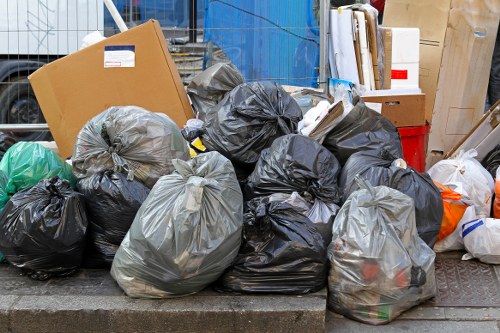
Adopting sustainable waste removal practices is a significant aspect of corporate social responsibility. Businesses in Shortlands can contribute to environmental conservation by implementing eco-friendly waste management strategies.
Reducing Waste Generation
Minimizing waste at the source through efficient resource utilization and process optimization reduces the burden on waste management systems and conserves natural resources.
Recycling and Reuse
Promoting recycling and the reuse of materials lessens the demand for new resources and decreases the volume of waste directed to landfills.
Community Engagement
Engaging with the local community through educational programs and sustainability initiatives fosters a collective effort towards environmental stewardship.
Green Certifications
Obtaining green certifications showcases a business's commitment to sustainable practices and can enhance its market position.
Cost Management in Waste Removal

Effective waste removal can lead to substantial cost savings for businesses in Shortlands. By optimizing waste management processes, companies can reduce disposal costs and even generate additional revenue streams.
Reducing Disposal Fees
Implementing strategies such as waste minimization and recycling can decrease the volume of waste requiring disposal, thereby lowering associated costs.
Recycling Revenue
Certain recyclable materials can be sold or exchanged, providing an additional income source for businesses.
Operational Efficiency
Streamlined waste management processes enhance operational efficiency, enabling businesses to allocate resources more effectively and reduce overhead expenses.
Investment in Sustainable Practices
Investing in sustainable waste removal practices not only reduces costs in the long term but also positions the business as an environmentally responsible entity.
Case Studies: Successful Waste Removal in Shortlands
[IMG_11]Examining successful waste removal initiatives in Shortlands provides valuable insights into effective practices:
TechCorp Solutions
TechCorp implemented a comprehensive waste management system that included automated sorting and recycling programs, resulting in a 40% reduction in waste disposal costs and significant environmental benefits.
GreenBite Restaurants
GreenBite introduced an organic waste recycling program, converting food scraps into compost used in local gardens, enhancing community relations and sustainability efforts.
ManufacturePlus Industries
ManufacturePlus adopted a waste-to-energy system, generating electricity from industrial waste, thereby reducing energy costs and minimizing landfill usage.
Lessons Learned
- Customized Solutions: Tailoring waste management strategies to specific business needs enhances effectiveness.
- Employee Involvement: Engaging employees in waste reduction efforts fosters a culture of sustainability.
- Continuous Monitoring: Regular assessment of waste practices ensures ongoing improvement and compliance.
These case studies highlight the tangible benefits of effective business waste removal and serve as models for other companies in Shortlands.
Future Trends in Business Waste Removal
[IMG_12]The landscape of business waste removal is continuously evolving, driven by technological advancements and changing regulatory landscapes. Anticipating future trends can help businesses stay ahead and maintain sustainable practices.
Advanced Recycling Technologies
Emerging recycling technologies, such as chemical recycling and automated sorting, promise higher efficiency and broader material recovery capabilities.
Circular Economy Models
The shift towards circular economy models emphasizes resource retention and waste elimination, encouraging businesses to design products for longevity and recyclability.
Digital Waste Management
Integration of digital tools, including mobile apps and data analytics, enhances waste tracking, reporting, and optimization, enabling more informed decision-making.
Regulatory Evolution
Expect stricter waste management regulations aimed at reducing environmental impact, compelling businesses to adopt more sustainable practices proactively.
Increased Focus on Zero Waste
Zero waste initiatives aim to eliminate waste generation entirely, pushing businesses to innovate and rethink their resource utilization strategies.
Conclusion: Embracing Sustainable Business Waste Removal
[IMG_13]Effective business waste removal in Shortlands is integral to achieving sustainability, regulatory compliance, and operational efficiency. By partnering with professional waste removal services, businesses can implement robust waste management strategies that reduce environmental impact, lower costs, and enhance their corporate reputation.
Embracing innovative technologies and adhering to best practices ensures that waste management processes remain efficient and aligned with evolving environmental standards. Ultimately, sustainable waste removal practices contribute to the long-term success and responsibility of businesses within the Shortlands community.
Contact us today to learn more about how our expert business waste removal services can benefit your company and help you achieve your sustainability goals.
