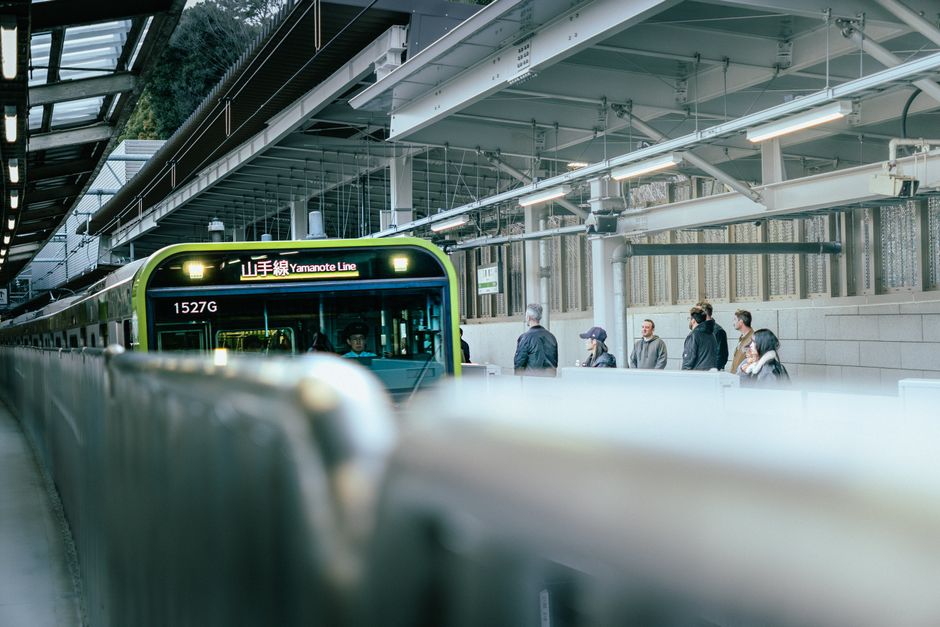
Shortlands station guide to rubbish clearance for commuters
If you commute through Shortlands, you already know the rhythm: train in, train out, quick coffee if you are lucky, and not much time to deal with the pile of stuff building up at home or work. That is exactly where a practical Shortlands station guide to rubbish clearance for commuters comes in. Whether you are clearing a flat, shifting old furniture, dealing with post-renovation mess, or simply trying to get rid of a few awkward items without losing your weekend, the goal is the same: make rubbish clearance fit around your journey, not the other way around.
Truth be told, most people do not need a grand waste-management plan. They need something simple, reliable, and timed so it does not collide with the morning rush or the 6:12 home. This guide breaks down how commuter-friendly rubbish clearance works, what to expect, what to avoid, and how to choose the most sensible option for your situation. It also covers a few real-world shortcuts that save hassle, especially if you are juggling bags, keys, and a phone that is already on 14% battery. Not ideal, but there we are.
Expert summary: The best rubbish clearance near a commuter route is the one that minimises disruption. Book it for the right time, sort items in advance, separate anything hazardous, and choose a service that can collect quickly, legally, and with minimal back-and-forth.
Table of Contents
- Why Shortlands station rubbish clearance matters
- How commuter rubbish clearance works
- Key benefits and practical advantages
- Who this is for and when it makes sense
- Step-by-step guidance
- Expert tips for better results
- Common mistakes to avoid
- Tools, resources and recommendations
- Law, compliance and best practice
- Options, methods and comparison
- Case study or real-world example
- Practical checklist
- Conclusion
- Frequently asked questions
Why Shortlands station rubbish clearance matters
Commuters live by timing. When you have a tight window between work, family, and travel, even a small clearance job can become oddly stressful. A broken wardrobe left in the hallway, a few black bags in the spare room, or a stack of boxes in the boot can easily linger for weeks because the "right time" never seems to appear.
That is why station-focused rubbish clearance is useful. It helps you think about waste removal around the way you actually move through the day. Shortlands is a place where people often need services that are quick, predictable, and respectful of time. If your rubbish clearance can happen while you are at work, during a quieter part of the day, or in a very short evening slot, the whole thing becomes far easier to manage.
There is also the practical side. Overflowing household waste, bulky furniture, or renovation debris can create access problems in flats, shared houses, and narrow driveways. In commuter households, that kind of clutter tends to multiply quietly. One week it is a spare chair. A fortnight later, somehow, it is a mini storage unit in your front room.
For local households and businesses alike, planning rubbish clearance properly can reduce stress, improve safety, and help keep routes clear when you are dashing out the door in the morning. It sounds simple, because it is. But simple is exactly what busy commuters need.
How Shortlands station rubbish clearance works
The idea is straightforward: you arrange collection for items you no longer need, and a clearance team removes them in a way that suits your schedule. The details matter though, because a commuter-friendly job is not just about taking things away. It is about access, timing, item type, and making sure nothing gets left behind because someone underestimated the size of the pile.
Most clearance jobs follow a pattern like this:
- Identify the waste - Separate general rubbish, bulky waste, furniture, electrical items, and anything potentially hazardous.
- Choose the right service type - A small domestic clear-out is different from office waste or builders' debris.
- Request a quote or booking - Be clear about volume, access, and whether stairs, lifts, or parking restrictions apply.
- Prepare the items - Group what is going, make access easy, and label anything that should stay.
- Collection and loading - The team removes items, usually with less disruption than a skip left on the street.
- Sorting and disposal - Reusable materials, recyclable waste, and general rubbish are handled separately where possible.
If you have ever tried to move a sofa through a tight hallway at 7:40 in the morning, you will already appreciate why this matters. A proper clearance team takes a more measured approach. They are not just lifting; they are planning the lift.
For more structured waste handling, many commuters compare general clearance with specialist options such as waste removal, furniture clearance, or, if you are clearing a business base near the station, office clearance. Different jobs need different handling, and mixing them up is where delays start creeping in.
Key benefits and practical advantages
The biggest benefit is obvious: you save time. But in real life, the value goes beyond that. A commuter-friendly clearance service can reduce the number of decisions you have to make, keep your home less cluttered, and stop waste from becoming one more thing on the mental to-do list.
- Less disruption to your routine - You do not have to sacrifice an entire Saturday to sort out rubbish.
- Better use of limited space - Particularly useful in flats, converted houses, and shared properties.
- Safer access - No improvised carrying of heavy items down stairs while half-awake.
- Cleaner handovers - Handy if you are moving, letting, refurbishing, or changing tenants.
- More predictable cost - Depending on the job, a quote-based clearance can be easier to budget for than ad hoc disposal runs.
- More responsible disposal - Useful if you care about recycling and sustainability, which many commuters do once the mess stops blocking the hallway.
There is also a mental benefit people often underestimate. Clutter has a way of feeling louder when you are tired. A quiet room, a clear landing, and one fewer pile by the door can make the whole home feel lighter. Sounds small. It is not, really.
If you are comparing broader disposal choices, it can help to look at related pages such as pricing and quotes and recycling and sustainability so you can weigh convenience against what happens after collection.
Who this is for and when it makes sense
This kind of clearance guide is useful for a wide mix of people. Some are regular commuters with not enough time. Others are moving out, upgrading furniture, or trying to clean up after months of "I'll deal with that later." Honestly, later usually arrives with interest.
It makes particular sense if you are:
- a commuter clearing a flat or shared home near Shortlands station
- a landlord or tenant dealing with end-of-tenancy leftovers
- someone disposing of a bulky sofa, mattress, or broken appliance
- a homeowner sorting a loft, garage, or spare room around work hours
- a local business needing discreet, scheduled waste removal
- managing renovation debris after a small property project
For example, a commuter who works full-time in central London may not want to spend their only free morning queueing at a waste facility or loading a car with broken furniture. In that case, a scheduled collection is usually the calmer option. If you are a business owner, you may also want something more structured, such as business waste removal, because downtime and visibility matter more than people realise.
And if the job is domestic but wide-ranging, services like home clearance, house clearance, or flat clearance may be a better fit than trying to break the work into tiny pieces yourself.
Step-by-step guidance
Here is the most sensible way to approach rubbish clearance if you commute through Shortlands and want the process to feel easy rather than chaotic.
1. Walk through the property with fresh eyes
Start with a practical scan of the space. What is actually rubbish, and what is just temporarily in the way? Be honest here. The box of cables may be useful; the tangled mass of old chargers probably is not.
2. Separate items by type
Group items into simple categories:
- general rubbish
- bulky furniture
- electricals and appliances
- cardboard and recyclables
- garden or outdoor waste
- materials that need special handling
This makes quoting easier and helps avoid those awkward last-minute "Oh, we also found three lamps and a freezer" moments.
3. Check access before you book
Access affects everything. Is there parking nearby? Are there stairs? Is the property a top-floor flat with no lift? Is the front door hard to reach from the road? A good clearance plan depends on these details. If you miss them, the job can take longer or cost more than expected.
4. Choose the service that matches the job
For single bulky items, a specialist service may be enough. For a mix of household clutter, general waste, and hard-to-lift items, broader waste removal is usually more efficient. If you are dealing with an old sofa or mattress, look at mattress and sofa disposal. If it is a fridge or other appliance, use fridge and appliance removal. Mixing everything together without checking can be a false economy.
5. Book a time that fits your commute
Early morning, lunchtime, or after-work collection slots can all make sense depending on your schedule. The best time is the one that avoids your peak stress window. If you are usually sprinting for the train with coffee in one hand and a bag on your shoulder, do not book a collection that requires your full attention at exactly that moment. You know how that ends.
6. Make the handover simple
Move items to one accessible area if you can. Label what stays. Unlock gates. Leave instructions if the team cannot easily reach the entrance. Small prep, big difference.
7. Confirm what happens next
Ask how the items will be handled, especially if you care about recycling, reuse, or secure disposal. If documentation matters for business waste or sensitive contents, ask about that upfront rather than after the van has gone.
Expert tips for better results
After a while, you notice the same pattern: the smoothest clearances are not always the smallest. They are the best prepared. A little planning saves a lot of back-and-forth.
- Bundle similar items together. It helps the team work faster and reduces confusion.
- Take quick photos before booking. They are useful if you need to explain volume or awkward items.
- Use off-peak timing where possible. That helps avoid rushing and can make access easier.
- Keep walkways open. A clear route is safer for everyone.
- Check for restricted items. Hazardous materials need special handling, not guesswork.
- Ask about recycling first. If sustainability matters to you, make it part of the booking conversation.
One small but useful trick: put a "do not remove" note on anything that looks remotely like waste but is actually staying. That sounds obvious. Yet people still lose items because the label was missing and the item looked abandoned. A printer box full of important paperwork can disappear into the wrong pile very quickly. Not a fun day.
If you are managing a larger domestic clean-up, you may also find loft clearance, garage clearance, or garden clearance more relevant than generic rubbish removal. The right label leads to the right handling.
Common mistakes to avoid
Most clearance problems are preventable. The annoying part is that they are also very common. Here are the ones that tend to trip people up.
- Underestimating the amount of waste - What looks like "a few bags" can turn into a full van once you start moving things.
- Not checking access - Tight stairs, parking restrictions, and locked gates can slow everything down.
- Mixing hazardous and general waste - This is a safety issue, not just a convenience issue.
- Leaving valuables in cleared areas - It happens more than people admit.
- Booking at the wrong time - A collection that clashes with your commute becomes another source of stress.
- Choosing the wrong service type - A one-item disposal job is not the same as a full house clearance.
Another mistake is assuming every item can go anywhere. It cannot. Some waste needs separate treatment, and trying to improvise on the day usually creates delay. A better approach is to ask in advance, especially for electricals, fridges, broken paint tins, chemicals, or anything that smells faintly questionable. If it seems dodgy, it probably is.
Tools, resources and recommendations
You do not need a complicated toolkit for rubbish clearance, but a few simple things make the process smoother.
| Tool or resource | Why it helps | Best used for |
|---|---|---|
| Strong bags or boxes | Stops small items scattering | General rubbish and sorting |
| Labels or masking tape | Makes it clear what stays and what goes | Shared homes, offices, mixed rooms |
| Phone photos | Helps with quotes and planning | Bulky or awkward clearances |
| Gloves | Useful for dusty, sharp, or dirty items | Lofts, garages, garden waste |
| Measuring tape | Useful for doors, stairs, and oversized furniture | Furniture and appliance removal |
From a service-planning perspective, a few internal pages are worth keeping in mind. If you want to understand what kinds of waste are suitable for a container-based job, what can go in a skip is a helpful reference point. If you need extra reassurance around secure handling or payment, the pages on insurance and safety and payment and security can be useful too.
For larger or more structured clean-ups, especially where deadlines matter, it is also sensible to check booking options early via book online. A quick booking can be a relief when your week is already too full.
Law, compliance and best practice
Rubbish clearance in the UK is not just about convenience. Waste must be handled responsibly, and if you are dealing with business waste or specialist materials, you should be careful about who removes it and how it is handled. You do not need to become a compliance expert, but you do need to avoid casual mistakes.
Best practice usually means:
- keeping waste separated where practical
- not mixing hazardous items with general household rubbish
- using a service that explains how items are disposed of
- being clear about data-sensitive items such as paperwork or storage media
- checking that the provider follows sensible health and safety practices
For commuters, the most important compliance point is simple: do not leave waste in a way that creates a nuisance, blocks access, or risks unsafe handling. Shared entrances and narrow streets are not the place for guesswork. If you are disposing of confidential paperwork, look at confidential shredding rather than throwing files into mixed rubbish. That small step can prevent a lot of problems later.
It is also worth asking about the company's approach to health and safety and responsible working methods. That includes lifting practices, safe loading, and proper sorting. If a provider cannot explain their process in plain English, that is a bit of a red flag, frankly.
Options, methods and comparison
There is more than one way to clear rubbish near Shortlands station, and each method suits a different kind of commuter life.
| Method | Best for | Pros | Drawbacks |
|---|---|---|---|
| DIY trips to a disposal point | Very small loads | Can be inexpensive if you already have transport | Time-consuming, tiring, and awkward with bulky items |
| Skip-based disposal | Renovation waste or ongoing projects | Good for larger volumes and repeated loading | Takes space, needs filling correctly, and is less flexible |
| Man and van style clearance | Mixed household rubbish and furniture | Fast, flexible, less disruption | Needs clear booking details and proper item sorting |
| Specialist item removal | Appliances, sofas, mattresses, or single bulky items | Efficient and targeted | May not suit mixed loads |
In practical terms, the best option is usually the one that matches the amount of waste and your schedule. A single mattress does not need the same solution as a flat full of furniture after a move. Likewise, a small office tidy-up is different from a renovation clearance with plaster, timber, and packaging everywhere.
If you are unsure, compare the job against the page for builders waste clearance for construction debris, or office clearance if it is a workplace tidy. Matching the job to the right type of service usually saves time and avoids that horrible feeling when everyone turns up with the wrong expectations.
Case study or real-world example
A fairly typical commuter scenario goes like this. A couple living near Shortlands station both work full-time and had been storing old furniture in a spare room for months. Nothing dramatic. Just a tired sofa, a broken table, a mattress waiting for "the right weekend," and a few boxes that seemed to breed on their own.
They kept meaning to sort it out, but every Saturday had another job attached to it. Shopping, visiting family, catching up on life. You know the drill. Eventually, they booked a collection for a weekday when they were both at work. They sent photos in advance, cleared the hallway the night before, and left a short note about access.
The result was calm rather than chaotic. No van blocking the morning rush. No need to carry furniture down the stairs before breakfast. No half-day lost to dragging things around. By the time they got home, the room felt different immediately. Quieter, cleaner, easier to use. That change matters more than people expect.
For some households, a full house job is more suitable, so services like house clearance or home clearance can take the pressure off. For a single-room refresh, furniture disposal may be enough. The right fit depends on what you are actually trying to remove, not the label on the website.
Practical checklist
Use this checklist before you book rubbish clearance as a commuter:
- List everything that needs removing
- Separate general waste from special items
- Check whether anything is hazardous or confidential
- Measure large items and note access constraints
- Decide whether you need a one-off or larger clearance
- Choose a time that does not clash with your commute
- Move items to a clear, accessible spot where possible
- Label anything that must stay
- Ask how recyclable or reusable items are handled
- Confirm the booking details before the day
A checklist sounds basic, but it is one of the few things that genuinely reduces stress every single time. Small effort, decent payoff. Hard to argue with that.
Conclusion
The best Shortlands station rubbish clearance plan is the one that works around your actual life. If you commute, your time is already spoken for. So the smartest approach is to make rubbish removal predictable, simple, and properly matched to the type of waste you have. That means sorting items early, checking access, choosing the right service, and not leaving awkward waste until it becomes a bigger problem than it needed to be.
Whether you are clearing a flat, getting rid of a sofa, sorting a garage, or handling waste from a small business, the same principle applies: plan a little, and the whole job gets easier. You will notice the difference straight away. Less clutter. Less pressure. More room to breathe when you get home after a long day.
Get a free quote today and see how much you can save.
Frequently Asked Questions
What is the best rubbish clearance option for commuters near Shortlands station?
For most commuters, the best option is a flexible collection service that fits around work hours and does not require you to transport waste yourself. If you have mixed household items, furniture, or bulky rubbish, a booked clearance is usually easier than a DIY trip.
Can I get rubbish cleared while I am at work?
Yes, that is often one of the main benefits. If access is arranged in advance and the items are left in a suitable place, collections can usually happen while you are out, which saves a lot of faffing about.
How do I know whether I need furniture clearance or general waste removal?
If the job is mainly sofas, tables, beds, or other large household items, furniture clearance is the better fit. If the load is mixed and includes bags, boxes, and awkward miscellaneous waste, broader waste removal may be more suitable.
What should I do with a mattress or old sofa?
Use a specialist disposal option for those items rather than mixing them with general rubbish. They are bulky, awkward to move, and often handled more efficiently as separate items.
Can appliance waste be collected too?
Yes, in many cases it can. Fridges, washing machines, and similar items are better dealt with through a dedicated appliance removal service because they may need specific handling.
Is it better to use a skip or a clearance service?
It depends on the job. A skip is often useful for ongoing renovation waste or a large project. A clearance service is usually better if you want fast removal without needing space for a skip or time to load it yourself.
What if I have confidential paperwork to dispose of?
Do not put sensitive documents into mixed rubbish. Use confidential shredding so the paperwork is handled securely rather than tossed in with general waste.
How should I prepare my property before collection?
Clear the access route, separate the items being removed, label anything staying, and mention stairs, parking, or locked gates during booking. A little preparation goes a long way.
Are hazardous items treated differently?
Yes. Hazardous waste needs special care and should not be mixed with normal household rubbish. If you are unsure whether something counts as hazardous, ask before the collection day.
Can rubbish clearance help during a house move or end of tenancy?
Absolutely. In fact, that is one of the most common reasons people book it. It helps clear unwanted furniture, leftover clutter, and items that would otherwise slow down the move.
How much notice do I need to give?
That depends on availability and the size of the job. Smaller clearances can sometimes be arranged quickly, while larger or more complex jobs may need more lead time. It is best to enquire early if your schedule is tight.
What should I ask before booking a clearance near Shortlands station?
Ask what items are accepted, whether hazardous waste is excluded, how access affects the price, how recycling is handled, and whether the service suits flats or narrow streets. Those questions prevent most misunderstandings.
If you want to learn more about the business behind the service, you can also read about us or review the terms and conditions before booking. And if you still have a specific question, the contact us page is the right place to start.
In the end, rubbish clearance should make your week feel lighter, not heavier. That is the real aim. One clear space, one easier commute, and one less thing hanging over you.