Health and Safety Policy — Commercial Waste Shortlands
Purpose and Scope
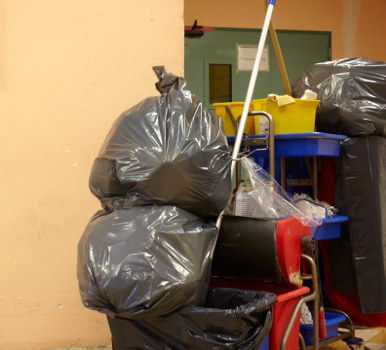 This Health and Safety policy sets out the commitment of Commercial Waste Shortlands to protect the health, safety and welfare of all employees, contractors, and third parties affected by our operations. The policy applies to all aspects of our commercial waste and rubbish removal services, including collection, transport, transfer, storage, and disposal activities across our service area. Our aim is to minimise risk through sound management, consistent processes and a proactive safety culture. This document is not a guide or a list of operational steps, but a formal statement of intent and the arrangements that underpin safe rubbish collection in the commercial sector.
We acknowledge statutory duties and accepted industry standards and will ensure that safety is integral to business planning and service delivery. Key responsibilities are allocated so that every person understands their role in maintaining a safe environment. Managers will provide resources and oversight; supervisors will ensure procedures are followed; and employees must work with care and report hazards. The company will also liaise with third-party partners to ensure contracted services meet the same safety expectations.
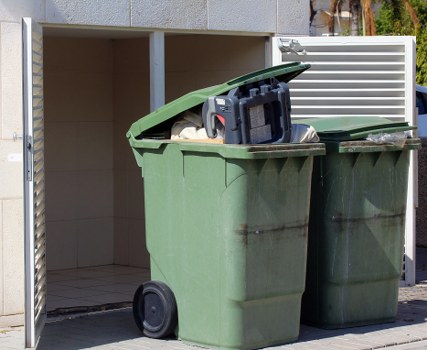 This policy covers operational personnel, drivers, loaders, engineers, administration staff and subcontractors engaged in commercial refuse and waste management. It addresses typical site and vehicle hazards, manual handling, moving machinery, and exposure to harmful substances. The goal is to reduce incidents by applying consistent control measures, performing risk assessments and delivering appropriate training, while adapting to different operational environments in our rubbish company service area.
Responsibilities and Leadership
Senior management has overall accountability for health and safety and will:
- provide visible leadership and sufficient resources;
- ensure systems for risk management are in place;
- review safety performance regularly.
 Risk assessments will be conducted for all routine and non-routine tasks, including waste segregation, bulking, compaction, and handling of potentially hazardous materials. Assessments will identify hazards, evaluate risks, and set out control measures such as segregation of waste streams, use of mechanical aids, PPE requirements, traffic management, and emergency arrangements. Controls will follow the hierarchy of risk control: eliminate, substitute, engineering controls, administrative controls and personal protective equipment.
Training and competence are essential. The company will provide induction, job-specific training, refresher sessions and records to demonstrate competence. Emphasis will be placed on safe lifting techniques, safe operation of lifting devices and compactors, correct use of PPE, and safe working near moving vehicles. Competent supervision and on-the-job coaching will support continuous improvement.
Operational Controls and Safe Systems
Traffic management is a critical control in our rubbish collection and waste transport activities. Work sites will be assessed for pedestrian and vehicle segregation, parking and manoeuvring space, and loading/unloading zones. Vehicles will be maintained to a schedule that ensures braking, lighting and safety systems are reliable. Drivers must complete pre-shift checks and report defects immediately.
Waste handling procedures will include segregation protocols for recyclable, general and hazardous waste, clear labelling, and safe containment to prevent spills and exposures. Mechanical devices and appropriate trolleys should be used to minimise manual handling. If hazardous or atypical materials are identified, operations will stop and the incident will be managed according to safe handling and disposal rules.
 Emergency preparedness covers spill response, first aid, fire, and vehicle incidents. The company will maintain emergency kits, spill containment equipment and trained first aiders. Reporting procedures and incident investigation processes will ensure lessons are learned and corrective actions implemented. Employees must know emergency contacts and follow site-specific response plans.
Monitoring, Review and Continuous Improvement
 The company will monitor performance via regular audits, inspections and safety observations. Incident and near-miss reporting will be encouraged to capture learning opportunities. Records of training, risk assessments, maintenance and incident investigations will be kept to support continual improvement. Key performance indicators will be used to measure compliance and effectiveness.
Periodic review of this Health and Safety policy will occur at least annually or following significant change to operations, equipment or legislation. Reviews will consider accident trends, audit findings and stakeholder input to ensure the policy remains relevant and effective for commercial rubbish operations. Where improvements are identified, action plans with clear ownership and timescales will be implemented.
In summary, Commercial Waste Shortlands is committed to providing a safe workplace for everyone involved in commercial waste services. Through leadership, competent staff, robust risk management and continual monitoring, we will reduce risks associated with waste collection, transport and handling across our service area. This policy is supported by procedures and records that demonstrate our commitment to health and safety and to protecting employees, contractors and the public.
